

















Search icon
Men and women working in an agricultrural field Men and women working in an agricultrural field

Policies

DS Limited

Objectives :
  • This Corporate Social Responsibility (‘CSR’) Policy which encompasses the Dharampal Satyapal Limited’s philosophy towards corporate social responsibility, lays down the guidelines and mechanism for undertaking socially relevant programs for sustainable development of the community at large and complying with Section 135 of the Companies Act, 2013 read with applicable rules, is titled as the ‘CSR Policy for Dharampal Satyapal Limited’.
  • Dharampal Satyapal Limited (the Company’/’DSL’) is further institutionalizing its commitment at being a socially responsible entity with an aim of sustainable development of the society. The purpose of this policy is to define the Company’s vision for CSR and its guiding principles, governance structures, strategy and program selection criteria.
Applicability
  • This policy is applicable to all the Corporate Social Responsibility (CSR) activities which are undertaken by the company itself or through:
    • A company established under section 8 of the Act, or a registered public trust or a registered society, registered under section 12A and 80 G of the Income Tax Act, 1961 (43 of 1961), established by the company, either singly or along with any other company, or
    • A company established under section 8 of the Act or a registered trust or a registered society, established by the Central Government or State Government; or
    • Any entity established under an Act of Parliament or a State legislature; or
    • A company established under section 8 of the Act, or a registered public trust or a registered society, registered under section 12A and 80G of the Income Tax Act, 1961, and having an established track record of at least three years in undertaking similar activities.
    • Collaboration with other companies for undertaking projects or programmes or CSR activities.
  • The company will partner with any of the entity covered under 2.1 which has registered itself with the Central Government by filing the form CSR -1 electronically with the Registrar, with effect from 1st Day of April 2021.
Scope
  • Preambles
    • The Company believes in building sustainable communities that are economically, environmentally, and socially healthy and resilient.
  • CSR Vision
    • To build sustainable communities by leveraging resources & network
  • Guiding Principles
    • Integration of indigenous knowledge & culture
    • Promotion of Local Economy
    • Conservation of Ecology
    • Maximization of Community Ownership
  • Program Selection Guidelines/Focus areas of Engagement
    • The Company intends to offer integrated solutions for sustainable impact in the field of:
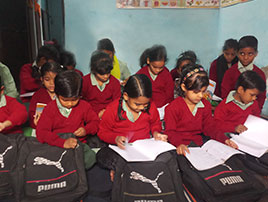
      Education to provide better quality of education to the needy section of the societythrough schools and after school learning programs

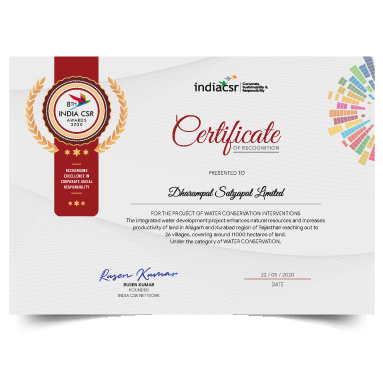
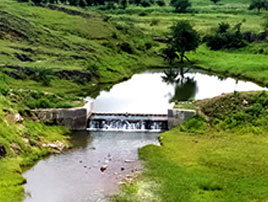
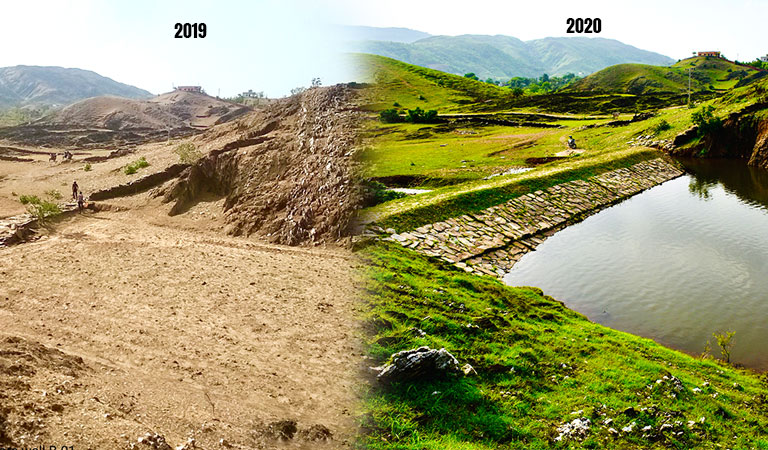
      Water Conservation to address the challenges of water scarcity through watershed development and rainwater harvesting programs and to improve the availability of water in the community.

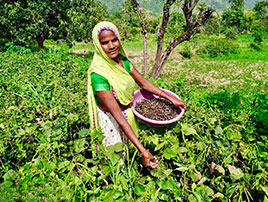
      Livelihood Enhancement to improve the economic condition of women, farmers and youth by improving skills, facilitating support network and establishing market linkages.
    • The Company will not contribute any amount directly or indirectly to any political party under section 182 of the Act;
    • The company will not undertake any activities in pursuance of normal course of business of the company
    • The company will not support any activities to be undertaken outside the country except permissible activities under section 135 of the act, CSR Rules and Schedule VII
    • The company will not support any activities that benefitting employees of the company as defined in the clause (k) of the section 2 of the Code on Wages. 2019 (29 of 2019)
    • The company will not support any activities on sponsorship basis for deriving marketing benefits for its products or services
    • The company will not support any activities for fulfilment of any other statutory obligation under any law in force in India
    • The Company may also from time to time invest in the other need based programs as stated in Schedule VII of the Companies Act 2013, duly recommended by CSR Committee and approved by Board of Directors.
    • The Company may engage employees, business experts and other such stakeholders to achieve its CSR vision.
  • CSR governing body structure
    The company has put in place the governance structure which is responsible for implementing and administering CSR Policy, in compliance with the requirements of Section 135 of the Companies Act, 2013.

    The Board of Director of the company shall after taking into account the recommendations made by the Corporate Social Responsibility Committee, approve the Corporate Social Responsibility Policy for the company and ensure that the activities as are included in Corporate Social Responsibility Policy of the company are undertaken by the company.

    The Board of Directors as per the recommendations of the CSR committee can amend CSR policy, as and when deemed fit.

    A Board level Corporate Social Responsibility (CSR) Committee will be formed to formulate and recommend to the Board, a Corporate Social Responsibility Policy which shall indicate the activities to be undertaken by the company in areas or subject, specified in Schedule VII. The CSR Committee shall recommend the amount of expenditure to be incurred on such activities undertaken by the company and monitor the Corporate Social Responsibility Policy of the company from time to time.

    The CSR Committee shall formulate and recommend to the Board, an annual action plan in pursuance of the CSR policy to the Board. The action plan will include the list of CSR projects/ programs, implementation manner, modalities of utilization of funds, implementation schedules, monitoring and reporting mechanism. The Action plan will also include the details of need and impact assessment to be undertaken.

    The CSR Committee shall develop and review Company’s CSR Strategy and Process.

    Further to Strengthen the CSR Committee, a Corporate Social Responsibility (CSR) department has been established by the company with a responsibility to review & guide the annual business plan, programme implementation, monitoring & evaluation and further impact assessment of all CSR Projects/Programmes.
  • Financial Allocation and Expenses
    • CSR Committee will be allocated in every financial year, at least 2% of the average net profits of the company made during the three immediately preceding financial years, in pursuance of its Corporate Social Responsibility Policy for the programs mentioned above.
    • The board shall approve overall limits for CSR Activities to be undertaken by the company. Within the overall limits approved by the Board, the CSR Committee shall approve individual projects/programs including contribution towards the Corpus Fund.
    • Any surplus or income arising out of the CSR programs or projects activities shall not form part of business profit of the company, and will be ploughed back into the same project or will transferred to the unspent CSR Account and spent in pursuance of CSR policy and annual action plan of the company or transfer such surplus amount to a Fund specified in Schedule VII, with in a period of six months of the expiry of the Financial Year.
    • If the company fail to spend prescribed amount,
        In pursuant to the non-on-going projects, the unspent amount shall be transferred to a fund specified in Schedule VII within a period of six(6) months of the expiry of the Financial Year
      • In pursuant to any ongoing project, the unspent amount shall be transferred within a period of thirty (30) days from the end of the financial year to a special account opened in any schedule bank in that behalf for that financial year called as the Unspent Corporate Social Responsibility Account, and the amount transferred in such manner shall be spent by the company in pursuance of its obligation towards this Corporate Social Responsibility Policy within a period of three(3) financial years from the date of such transfer, failing which, such amount shall be further transferred within a period of thirty(30) days from the date of completion of the third financial year to a fund specified in Schedule VII of the Companies Act, 2013.
    • The company may spent the CSR amount in creation and acquisition of a capital asset, which will be held by a company established under section 8 of the act, or a registered society or registered public trust having charitable objects and CSR Registration number as prescribed in CSR Rules
    • The company may set off excess spend amount against the requirement to spend up to immediate succeeding three financial years with a resolution passed by the Board and that the excess amount available for set off shall not include the surplus arising out of the CSR activities
  • Monitoring & Evaluation Mechanism

    The CSR program will be monitored by the CSR department of the company, CSR department may;

    • Appoint agencies or consultants or internal resource for the monitoring purpose.
    • Undertake assessment as and when needed, in order to evaluate the social impact of its CSR programs on the communities. This will also help the company to obtain learning which will help increase program efficiency and scalability.
    • After completion, appoint various independent agencies to evaluate the impact of the program.

    Implementing Agencies will submit quarterly progress reports and periodic evaluation reports (Project tracking as well as financials) to CSR committee to review the program and projects.

    The Chief Financial Officer or the person responsible for the financial management shall certify the utilization of disbursed CSR funds.

  • Reporting & Communications
    • The company will incorporate the details of CSR activities, in the prescribed format in the annual report of the company. The CSR activities and CSR expenditure (all expenditure including contribution to corpus, or on projects or programs relating to CSR activities) will also be reflected in the Board’s Report/ Annual accounts of the company under the head ‘CSR Expenditure’ and will be mentioned in the Director’s report.
    • The company will undertake impact assessment through an independent agency, of CSR projects having outlays of One Crore Rupees or more, and which have been completed not less than one year before undertaking the impact study. The impact assessment reports shall be placed before the Board and shall be annexed to the annual report on CSR
    • The CSR Policy and projects shall be disclosed in the Board’s report and displayed at the company’s website.
    • The company will communicate its CSR initiatives and efforts to all stakeholders through website and other appropriate communication channels.
Corporate Social Responsibility Committee
Name Designation
DR. RAVI GUPTA INDEPENDET DIRECTOR
MR. VISHNU BIHARI SHARMA WHOLE-TIME DIRECTOR
SHRI SANJAY ANEJA WHOLE-TIME DIRECTOR & CFO
Annual Action Plan 2021-22
List of Projects – Ongoing Projects
S. NO. PROJECT NAME Manner of Execution Name of Entity Alignment with Schedule VII Location
1 Bundelkhand Livelihood Project Entity Established by Company Dharampal Satyapal Foundation Clause II Banda & Mahoba (UP) & Chhatarpur (MP)
2 Youth Leadership & Empowerment External Entity Shikshantar Sansthan Clause II Dungarpur (Rajasthan)
3 Revitalizing the Rural Economy as a response to the Covid 19 Pandemic External Entity PRADAN Clause II & IV Bokaro & Hazaribagh (Jharkhand)
4 Womennovator - Incubation Program for Women External Entity Gvirksh Clause II & III Delhi
5 Spring Recharge & Rejuvenation External Entity Central Himalayan Rural Action Group Clause IV Nanital, Uttarakhand
6 Drought Mitigation through Harvesting Rains in Thar (DMHR) External Entity Gramin Vikas Vigyan Samiti Clause IV Jodhpur, Rajasthan
7 Providing safer drinking water to marginalized communities by household and community level water harvesting initiatives External Entity Samerth Charitable Trust Clause IV Kutch, Gujarat
8 Community Initiatives for Restoring livelihood through Construction of Rain Water Harvesting Structures External Entity Gram Gaurav Sansthan Clause IV Karauli, Rajasthan
9 Karnal Education Project Entity Established by Company Dharampal Satyapal Foundation Clause II Karnal, Haryana
10 Ananda Permaculture Project External Entity Action for Autism Clause II & IV Gurugram, Haryana
11 Education Program External Entity Aryashree Shiksha Samiti Clause II Agra (UP)
12 Education Program External Entity Aryashree Shiksha Samiti Clause II Lucknow (UP)
13 Adharshila School External Entity Adharshila Shiksha Samiti Clause II Sheopur (MP)
14 Creativity Adda External Entity Shikshantar Sansthan Clause II Delhi
16 WEZ, Alsigarh External Entity Mahan Seva Sansthan Clause IV Udaipur (Rajasthan)
17 WEZ, Kurabad External Entity Arpan Seve Sansthan Clause IV Udaipur (Rajasthan)
18 Maintenance of Ghats Entity Established by Company Dharampal Satyapal Foundation Clause I Varanasi (UP)
Annual Action Plan 2021-22
Other than Ongoing Projects
Proposed Projects
S. NO. PROJECT NAME Manner of Execution Name of Entity Alignment with Schedule VII Location
1 Project Saamya External Entity FXB India Suraksha Clause III Gautam Budh Nagar (UP)
2 PAHAL Entity Established by Company DSF Clause II Dungarpur (Rajasthan)
3 Manthan External Entity JSVS Clause II Dungarpur (Rajasthan)
4 Manthan External Entity ARPAN Clause II Sikar (Rajasthan)
5 Rubber Tappers Training Program External Entity Dishari Clause II South Tripura (Tripura)
6 Adoption of Green Belts Direct Direct Clause IV Gautam Budh Nagar (UP)
7 Karnal Community Development Entity Established by Company DSF Clause I, II & IV Karnal (Haryana)

DS Sons Private Limited

Objectives

This Corporate Social Responsibility (‘CSR’) Policy which encompasses the Dharampal Satyapal Sons Private Limited’s philosophy towards corporate social responsibility, lays down the guidelines and mechanism for undertaking socially relevant programs for sustainable development of the community at large and complying with all the local regulations in that regard, is titled as the ‘CSR Policy for Dharampal Satyapal Sons Private Limited.’

Dharampal Satyapal Sons Private Limited (‘the Company’/ ‘DSSPL’) is further institutionalizing its commitment at being a socially responsible citizen with an aim of sustainable development of the society. The purpose of this policy is to define the Company’s vision for CSR and its guiding principles, governance structures, and strategy and program selections criteria.

Scope

This policy is applicable to all CSR initiatives taken by the Company.

  • The Company may have a direct engagement strategy, to be conceptualized and executed directly through a team of professionals or through Dharampal Satyapal foundation or such other Trust / Foundation established by the Company time to time. The Company may also collaborate with other group companies for undertaking projects or programs or CSR activities.
  • The Company may decide to undertake its CSR activities approved by the Board of Directors on recommendation of the CSR Committee, through a company established under section 8 of the Act or a registered trust or a registered society, established by the company, either singly or along with any other company.
Policy
Preamble

The Company believes in building sustainable communities that are economically, environmentally, and socially healthy and resilient.

It aims / plans to offer integrated solutions to achieve this, and focus on areas such as:

  • Education;
  • Health Care;
  • Livelihood Enhancement & Skill Development;
  • Water & Sanitation;
  • Environment Conservation; and
  • any other relevant programs as per the need of the community for sustainable impact (in the areas or subject, specified in Schedule VII referred to in Section 135 of the Companies Act, 2013).
CSR Vision

To build sustainable communities by leveraging resources & networks.

Guiding Principles
  • Integration of indigenous knowledge & culture,
  • Promotion of Local economy,
  • Conservation of Ecology, and
  • Maximization of Community Ownership.
Program Selection Guidelines/ Focus Areas of Engagement

The Company intends to offer integrated solutions for sustainable impact in the field of:

  • Livelihood enhancement to improve the economic condition of women, farmers and youth by improving skills, facilitating support network and establishing market linkages.
  • Skill Development to provide the employable skills to the youth through various capacity building programs.
  • Water & Sanitation to address the challenges of water scarcity through watershed development and rainwater harvesting programs and to improve the safe drinking water & sanitation situation in the community.
  • Education to provide better quality of education to the needy section the society through schools and after school learning programs.
  • Health care to provide the basic health services to the remotely & less served people along with preventive measures.
  • Elderly care to meet the basic requirement of the elderly people.

The Company may also work for the:

  • Holistic development of the community through integrated solutions in a particular geographical location.
  • The communities, in which it has business footprint, especially youth, farmers, women and children, and other backward and underprivileged are key beneficiaries of the CSR initiatives. Contributing positively to these stakeholders and improving their quality of life will be essential elements of CSR efforts.
  • Socially and economically weaker section of the society.

The Company will not contribute any amount directly or indirectly to any political party or any religious organization as part of its CSR activities.

The Company may also from time to time spend in the other need based programs as related to in Schedule VII of the Companies Act 2013.

The Company may engage employees, business experts and other such stakeholders to achieve its CSR vision.

CSR governing body structure

The company has put in place the following governance structure to ensure that CSR policy is implemented and monitored effectively. A Board level Corporate Social Responsibility (CSR) Committee will be formed to develop and review company’s CSR strategy and process. A Corporate Social Responsibility (CSR) department has been established by the Company to review & guide the annual business plan, program implementation, monitoring & evaluation and further impact assessment.

Financial Allocations

CSR committee will be allotted funds to the tune of at least 2% of average net profit of company of last three preceding years for the programs mentioned above.

The Board shall approve overall limits for CSR Activities to be undertaken by the Company. Within the overall limits approved by the Board, the CSR Committee shall approve individual projects / programs including contribution towards the Corpus Fund.

All CSR projects / programs under this policy shall be undertaken in India. The CSR Committee shall decide on locations for implementation of the CSR projects / programs.

Any surplus or income arising out of the CSR programs or projects or activities shall not form part of business profit of the Company, and will be invested in CSR activities.

Monitoring & Evaluation Mechanism

The CSR programs will be monitored by the CSR department. CSR department may:

  • Appoint agencies or consultants or internal resources for the monitoring purpose.
  • Undertake an assessment, as and when needed, in order to evaluate the social impact of its CSR programs on the communities. This will also help the Company to obtain learning, which will help increase program efficiency and scalability.
  • After Completion, appoint various independent agencies to evaluate the impact of the program.
  • CSR Department will submit quarterly progress reports and periodic evaluation reports (Project tracker as well as Financials) to CSR Committee to review the programs and projects.
Reporting & Communications

The Company will incorporate the details of CSR activities, including physical and financial processes in the annual report of the company. The CSR activities and CSR expenditure (all expenditure including contribution to corpus, or on projects or programs relating to CSR activities) will also be reflected in the Board’s Report/ Annual accounts of the Company under the head ‘CSR Expenditure’ and will be mentioned in the Director’s report.

The Contents of the CSR Policy shall be disclosed in the Board’s report and displayed at the Company’s Website.

The Company will communicate its CSR initiatives and efforts to all stakeholders through e-mailers, website and other appropriate communications channels.

DS Spiceco Private Limited

Objectives

This Corporate Social Responsibility (‘CSR’) Policy which encompasses the DS Spiceco Private Limited’s philosophy towards corporate social responsibility, lays down the guidelines and mechanism for undertaking socially relevant programs for sustainable development of the community at large and complying with all the local regulations in that regard, is titled as the ‘CSR Policy for DS Spiceco Private Limited.’

DS Spiceco Private Limited (‘the Company’/ ‘DSSPL’) is further institutionalizing its commitment at being a socially responsible citizen with an aim of sustainable development of the society. The purpose of this policy is to define the Company’s vision for CSR and its guiding principles, governance structures, and strategy and program selections criteria.

Scope

This policy is applicable to all CSR initiatives taken by the Company.

  • The Company may have a direct engagement strategy, to be conceptualized and executed directly through a team of professionals or through Dharampal Satyapal foundation or such other Trust / Foundation established by the Company time to time. The Company may also collaborate with other group companies for undertaking projects or programs or CSR activities.
  • The Company may decide to undertake its CSR activities approved by the Board of Directors on recommendation of the CSR Committee, through a company established under section 8 of the Act or a registered trust or a registered society, established by the company, either singly or along with any other company.
Policy
Preamble

The Company believes in building sustainable communities that are economically, environmentally, and socially healthy and resilient.

It aims / plans to offer integrated solutions to achieve this, and focus on areas such as:

  • Education;
  • Health Care;
  • Livelihood Enhancement & Skill Development;
  • Water & Sanitation;
  • Environment Conservation; and
  • any other relevant programs as per the need of the community for sustainable impact (in the areas or subject, specified in Schedule VII referred to in Section 135 of the Companies Act, 2013).
CSR Vision

To build sustainable communities by leveraging resources & networks.

Guiding Principles
  • Integration of indigenous knowledge & culture,
  • Promotion of Local economy,
  • Conservation of Ecology, and
  • Maximization of Community Ownership.
Program Selection Guidelines/ Focus Areas of Engagement

The Company intends to offer integrated solutions for sustainable impact in the field of:

  • Livelihood enhancement to improve the economic condition of women, farmers and youth by improving skills, facilitating support network and establishing market linkages.
  • Skill Development to provide the employable skills to the youth through various capacity building programs.
  • Water & Sanitation to address the challenges of water scarcity through watershed development and rainwater harvesting programs and to improve the safe drinking water & sanitation situation in the community.
  • Education to provide better quality of education to the needy section the society through schools and after school learning programs.
  • Health care to provide the basic health services to the remotely & less served people along with preventive measures.
  • Elderly care to meet the basic requirement of the elderly people.

The Company may also work for the:

  • Holistic development of the community through integrated solutions in a particular geographical location.
  • The communities, in which it has business footprint, especially youth, farmers, women and children, and other backward and underprivileged are key beneficiaries of the CSR initiatives. Contributing positively to these stakeholders and improving their quality of life will be essential elements of CSR efforts.
  • Socially and economically weaker section of the society.

The Company will not contribute any amount directly or indirectly to any political party or any religious organization as part of its CSR activities.

The Company may also from time to time spend in the other need based programs as related to in Schedule VII of the Companies Act 2013.

The Company may engage employees, business experts and other such stakeholders to achieve its CSR vision.

CSR governing body structure

The company has put in place the following governance structure to ensure that CSR policy is implemented and monitored effectively. A Board level Corporate Social Responsibility (CSR) Committee will be formed to develop and review company’s CSR strategy and process. A Corporate Social Responsibility (CSR) department has been established by the Company to review & guide the annual business plan, program implementation, monitoring & evaluation and further impact assessment.

Financial Allocations

CSR committee will be allotted funds to the tune of at least 2% of average net profit of company of last three preceding years for the programs mentioned above.

The Board shall approve overall limits for CSR Activities to be undertaken by the Company. Within the overall limits approved by the Board, the CSR Committee shall approve individual projects / programs including contribution towards the Corpus Fund.

All CSR projects / programs under this policy shall be undertaken in India. The CSR Committee shall decide on locations for implementation of the CSR projects / programs.

Any surplus or income arising out of the CSR programs or projects or activities shall not form part of business profit of the Company, and will be invested in CSR activities.

Monitoring & Evaluation Mechanism

The CSR programs will be monitored by the CSR department. CSR department may:

  • Appoint agencies or consultants or internal resources for the monitoring purpose.
  • Undertake an assessment, as and when needed, in order to evaluate the social impact of its CSR programs on the communities. This will also help the Company to obtain learning, which will help increase program efficiency and scalability.
  • After Completion, appoint various independent agencies to evaluate the impact of the program.
  • CSR Department will submit quarterly progress reports and periodic evaluation reports (Project tracker as well as Financials) to CSR Committee to review the programs and projects.
Reporting & Communications

The Company will incorporate the details of CSR activities, including physical and financial processes in the annual report of the company. The CSR activities and CSR expenditure (all expenditure including contribution to corpus, or on projects or programs relating to CSR activities) will also be reflected in the Board’s Report/ Annual accounts of the Company under the head ‘CSR Expenditure’ and will be mentioned in the Director’s report.

The Contents of the CSR Policy shall be disclosed in the Board’s report and displayed at the Company’s Website.

The Company will communicate its CSR initiatives and efforts to all stakeholders through e-mailers, website and other appropriate communications channels.

Avichal Buildcon Private Limited

Objectives

This Corporate Social Responsibility (‘CSR’) Policy which encompasses the Avichal Buildcon Private Limited’s philosophy towards corporate social responsibility, lays down the guidelines and mechanism for undertaking socially relevant programs for sustainable development of the community at large and complying with all the local regulations in that regard, is titled as the ‘CSR Policy for Avichal Buildcon Private Limited.’

Avichal Buildcon Private Limited (‘the Company’/ ‘ABPL’) is further institutionalizing its commitment at being a socially responsible citizen with an aim of sustainable development of the society. The purpose of this policy is to define the Company’s vision for CSR and its guiding principles, governance structures, and strategy and program selections criteria.

Scope

This policy is applicable to all CSR initiatives taken by the Company.

  • The Company may have a direct engagement strategy, to be conceptualized and executed directly through a team of professionals or through Dharampal Satyapal foundation or such other Trust / Foundation established by the Company time to time. The Company may also collaborate with other group companies for undertaking projects or programs or CSR activities.
  • The Company may decide to undertake its CSR activities approved by the Board of Directors on recommendation of the CSR Committee, through a company established under section 8 of the Act or a registered trust or a registered society, established by the company, either singly or along with any other company.
Policy
Preamble

The Company believes in building sustainable communities that are economically, environmentally, and socially healthy and resilient.

It aims / plans to offer integrated solutions to achieve this, and focus on areas such as:

  • Education;
  • Health Care;
  • Livelihood Enhancement & Skill Development;
  • Water & Sanitation;
  • Environment Conservation; and
  • any other relevant programs as per the need of the community for sustainable impact (in the areas or subject, specified in Schedule VII referred to in Section 135 of the Companies Act, 2013).
CSR Vision

To build sustainable communities by leveraging resources & networks.

Guiding Principles
  • Integration of indigenous knowledge & culture,
  • Promotion of Local economy,
  • Conservation of Ecology, and
  • Maximization of Community Ownership.
Program Selection Guidelines/ Focus Areas of Engagement

The Company intends to offer integrated solutions for sustainable impact in the field of:

  • Livelihood enhancement to improve the economic condition of women, farmers and youth by improving skills, facilitating support network and establishing market linkages.
  • Skill Development to provide the employable skills to the youth through various capacity building programs.
  • Water & Sanitation to address the challenges of water scarcity through watershed development and rainwater harvesting programs and to improve the safe drinking water & sanitation situation in the community.
  • Education to provide better quality of education to the needy section the society through schools and after school learning programs.
  • Health care to provide the basic health services to the remotely & less served people along with preventive measures.
  • Elderly care to meet the basic requirement of the elderly people.

The Company may also work for the:

  • Holistic development of the community through integrated solutions in a particular geographical location.
  • The communities, in which it has business footprint, especially youth, farmers, women and children, and other backward and underprivileged are key beneficiaries of the CSR initiatives. Contributing positively to these stakeholders and improving their quality of life will be essential elements of CSR efforts.
  • Socially and economically weaker section of the society.

The Company will not contribute any amount directly or indirectly to any political party or any religious organization as part of its CSR activities.

The Company may also from time to time spend in the other need based programs as related to in Schedule VII of the Companies Act 2013.

The Company may engage employees, business experts and other such stakeholders to achieve its CSR vision.

CSR governing body structure

The company has put in place the following governance structure to ensure that CSR policy is implemented and monitored effectively. A Board level Corporate Social Responsibility (CSR) Committee will be formed to develop and review company’s CSR strategy and process. A Corporate Social Responsibility (CSR) department has been established by the Company to review & guide the annual business plan, program implementation, monitoring & evaluation and further impact assessment.

Financial Allocations

CSR committee will be allotted funds to the tune of at least 2% of average net profit of company of last three preceding years for the programs mentioned above.

The Board shall approve overall limits for CSR Activities to be undertaken by the Company. Within the overall limits approved by the Board, the CSR Committee shall approve individual projects / programs including contribution towards the Corpus Fund.

All CSR projects / programs under this policy shall be undertaken in India. The CSR Committee shall decide on locations for implementation of the CSR projects / programs.

Any surplus or income arising out of the CSR programs or projects or activities shall not form part of business profit of the Company, and will be invested in CSR activities.

Monitoring & Evaluation Mechanism

The CSR programs will be monitored by the CSR department. CSR department may:

  • Appoint agencies or consultants or internal resources for the monitoring purpose.
  • Undertake an assessment, as and when needed, in order to evaluate the social impact of its CSR programs on the communities. This will also help the Company to obtain learning, which will help increase program efficiency and scalability.
  • After Completion, appoint various independent agencies to evaluate the impact of the program.
  • CSR Department will submit quarterly progress reports and periodic evaluation reports (Project tracker as well as Financials) to CSR Committee to review the programs and projects.
Reporting & Communications

The Company will incorporate the details of CSR activities, including physical and financial processes in the annual report of the company. The CSR activities and CSR expenditure (all expenditure including contribution to corpus, or on projects or programs relating to CSR activities) will also be reflected in the Board’s Report/ Annual accounts of the Company under the head ‘CSR Expenditure’ and will be mentioned in the Director’s report.

The Contents of the CSR Policy shall be disclosed in the Board’s report and displayed at the Company’s Website.

The Company will communicate its CSR initiatives and efforts to all stakeholders through e-mailers, website and other appropriate communications channels.

Coming Soon