






















Most Indian FMCG rankings focus on publicly listed companies because analysts rely on NSE and BSE filings, annual reports and quarterly disclosures to measure scale. This leaves many large private conglomerates underrepresented despite operating nationally. DS Group is one of the strongest examples. Crossing a turnover of ₹10,000 crore, the family owned conglomerate operates across eight verticals including mouth fresheners, confectionery, dairy, food & beverages, agri-business, hospitality and luxury retail. The group’s growth reflects patient expansion, reinvested earnings and long term ownership rather than IPO funding or multinational capital. The DS Group overview and DS Group‘s full business portfolio together reflect decades of disciplined business expansion.
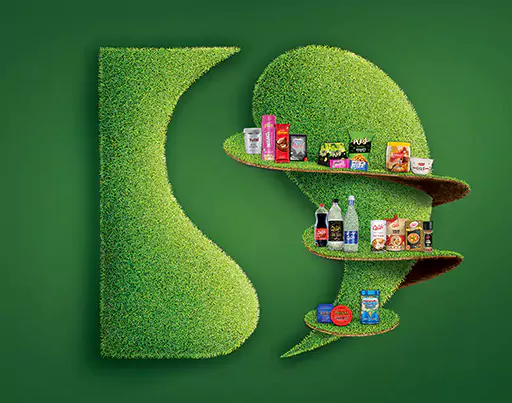
The DS Group‘s business verticals reflect a portfolio built around established FMCG categories alongside newer premium, hospitality and experience driven businesses.
The largest revenue proxy within the portfolio continues to come from the mouth freshener business led by the Rajnigandha brand. Combined with decades of category leadership, that reach makes mouth fresheners one of the group’s strongest revenue engines.
The confectionery business operates through even deeper distribution density. Led by the Pulse brand, the category reaches more than 27 lakh indirect outlets nationwide. Pulse maintained leadership within the hard boiled confectionery segment for nine consecutive years, creating a substantial transaction scale across India’s kirana ecosystem, modern trends, e-commerce, q-commerce, etc.
DS Group‘s revenue profile reflects the strength of its diversified portfolio across consumer products, hospitality, dairy and retail businesses. Food and beverages account for approximately 42% of turnover, led by brands such as Catch, Pulse and LuvIt, while mouth fresheners contribute around 38% through category-leading brands including Rajnigandha and Pass Pass. The remaining revenue comes from hospitality, dairy and other businesses, underscoring the group‘s broad-based presence across multiple consumer and service sectors.
The group’s newer businesses operate with different revenue economics from its founding FMCG categories. The dairy business including Ksheer and OvinO operates through facilities in Reengus, Greater Noida and Manesar. Dairy introduces daily purchase behaviour and high frequency consumption patterns that complement the group’s packaged FMCG operations.
The hospitality business includes premium destination properties across Jim Corbett, Nainital, Guwahati, Jaipur, Bengaluru and Kolkata. Hospitality revenue operates through room occupancy, premium travel demand and experiential consumption rather than FMCG transaction velocity.The luxury retail business including Le Marche, L’Opéra.
DS Group does not publish historical revenue timelines. What can be traced instead is the sequence of category expansion decisions that gradually widened the group’s addressable revenue base.
The earliest decades of the business focused almost entirely on Rajnigandha, mouth fresheners and tobacco. Those categories created a high frequency repeat purchase model built around accessible pricing and nationwide distribution. The operational philosophy visible across the DS Group founders and DS Group history timelines reflects their consistency rather than rapid expansion.
The launch of table top dispensers such as Catch Spices in 1987 marked the first major adjacent category expansion. Spices represented a significantly larger mass consumption market than mouth fresheners and introduced another high frequency FMCG revenue stream.
Subsequent expansion into confectionery through Pass Pass, and dairy through Ksheer gradually widened the revenue mix
The latest phase of growth expanded the portfolio into premium consumption and experience led categories. Hospitality reflects the group‘s commitment to delivering exceptional customer experiences, extending its consumer-first philosophy beyond products and into premium service offerings. Luxury retail added premium international brands with lower transaction volume but significantly higher unit economics. OvinO expanded dairy into premium provenance based D2C positioning.
Together, these categories created a portfolio operating simultaneously across low value high frequency FMCG, premium packaged goods and high value experiential consumption.
Within Indian FMCG, DS Group occupies a structurally unusual position. Its turnover places it alongside major Indian origin consumer companies while remaining entirely privately owned.
The group’s trajectory demonstrates that Indian family owned businesses can build national FMCG scale through patient private capital allocation rather than external institutional funding. Under the leadership of the DS Group chairman and vice chairman, the company expanded from a Chandni Chowk shop into a diversified ₹10,000 crore conglomerate without diluting family ownership control. At the same time, the group operates with a professionally managed structure that combines entrepreneurial vision with institutional expertise. This approach has enabled successful expansion across multiple business verticals while maintaining long-term strategic focus.
The strongest corroboration of the group’s turnover lies in its operating footprint. The DS Group’s growth story is rooted in financial discipline and a long-term strategic outlook. This approach has enabled the group to expand across multiple sectors, build enduring brands and fund its growth organically without requiring capital from external markets.
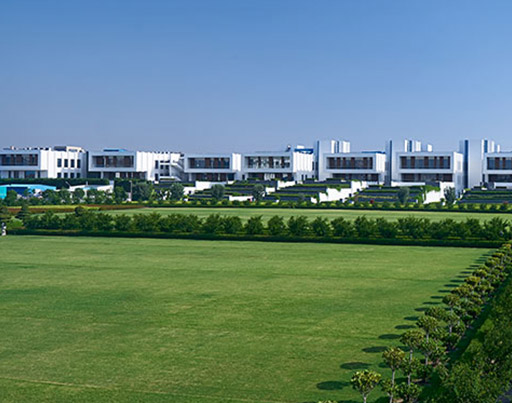
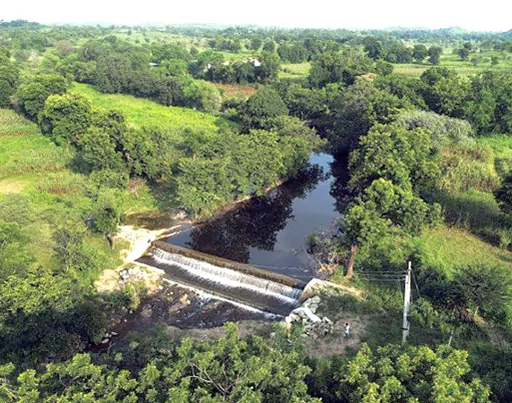
The company also operates hospitality assets, agri sites and a LEED Platinum certified headquarters campus. Collectively, these operational metrics are consistent with large scale FMCG infrastructure rather than a mid sized private enterprise.
DS Group’s ₹10,000 crore turnover is not simply a revenue figure. It reflects what long horizon private capital allocation can build across nine decades of disciplined expansion. While publicly listed FMCG companies dominate mainstream financial coverage, DS Group history represents a different category within Indian business: privately held, professionally run, family managed and operating at nationally comparable scale.
The company’s operational depth, category sequencing and infrastructure investments collectively demonstrate how Indian origin family businesses can build multi vertical FMCG ecosystems without public market dependence. Readers seeking additional operational information can explore DS Group businesses through the group’s wider portfolio and category network.
DS Group has surpassed a turnover of ₹10,000 crore across eight business verticals including mouth fresheners, confectionery, dairy, hospitality, luxury retail and agri business.
DS Group does not publicly disclose net worth or balance sheet valuation data. The confirmed public financial metric is the group’s ₹10,000 crore annual turnover in FY 2024-25, which refers to revenue rather than enterprise value.
The largest revenue proxies come from the Rajnigandha mouth freshener portfolio and the confectionery business led by Pulse, Rajnigandha, Catch, Pass Pass. Both categories operate through extensive national distribution and long term category leadership.
No. DS Group is a privately held Indian family owned conglomerate and is not listed on NSE, BSE or any public stock exchange.